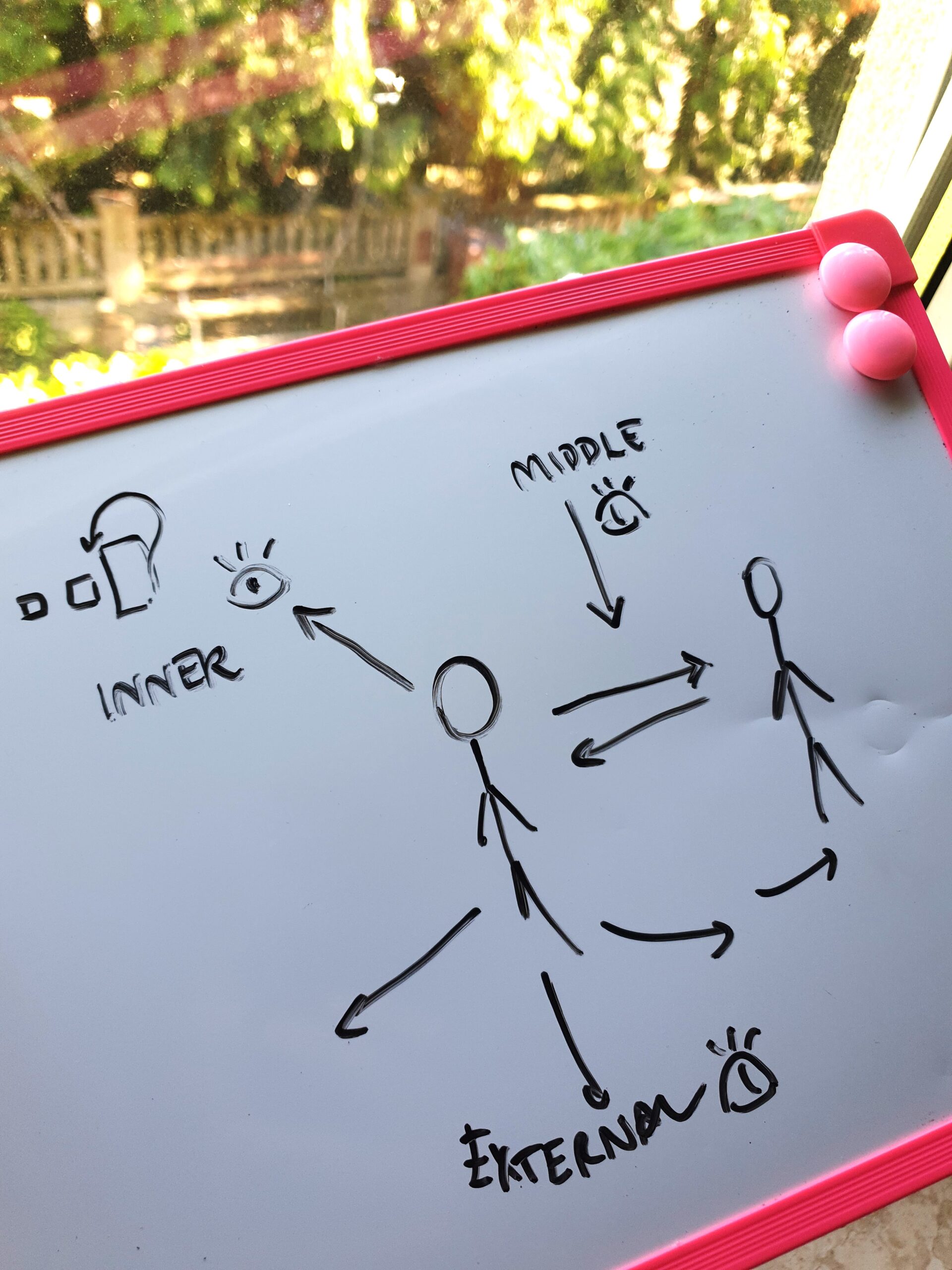
To understand what exactly we don’t understand in our interactions it is important to become aware of communication spaces.
In the context of introduction here we are observing the following division of spaces to internal, external and the middle layer.
INTERNAL – becoming aware of our internal landscapes, how we think, the default movement patterns of our emotions, the way we perceive everything within our safe space.
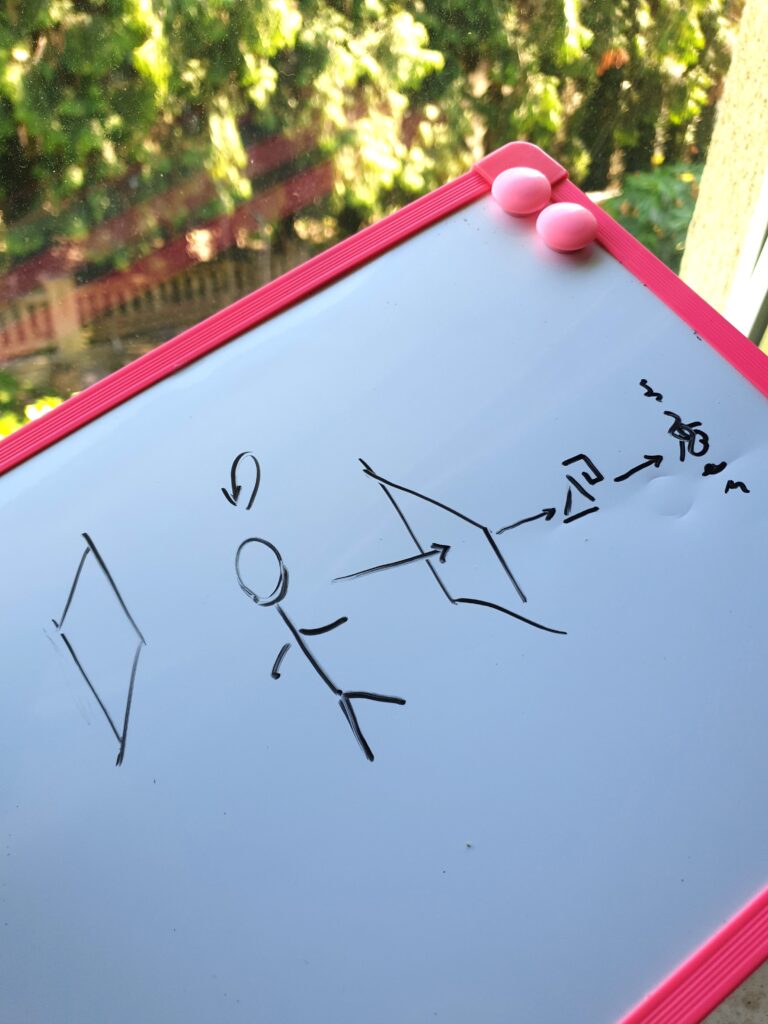
EXTERNAL – becoming aware of our outside environment, presence of others around us, the seemingly random patterns in our surroundings.
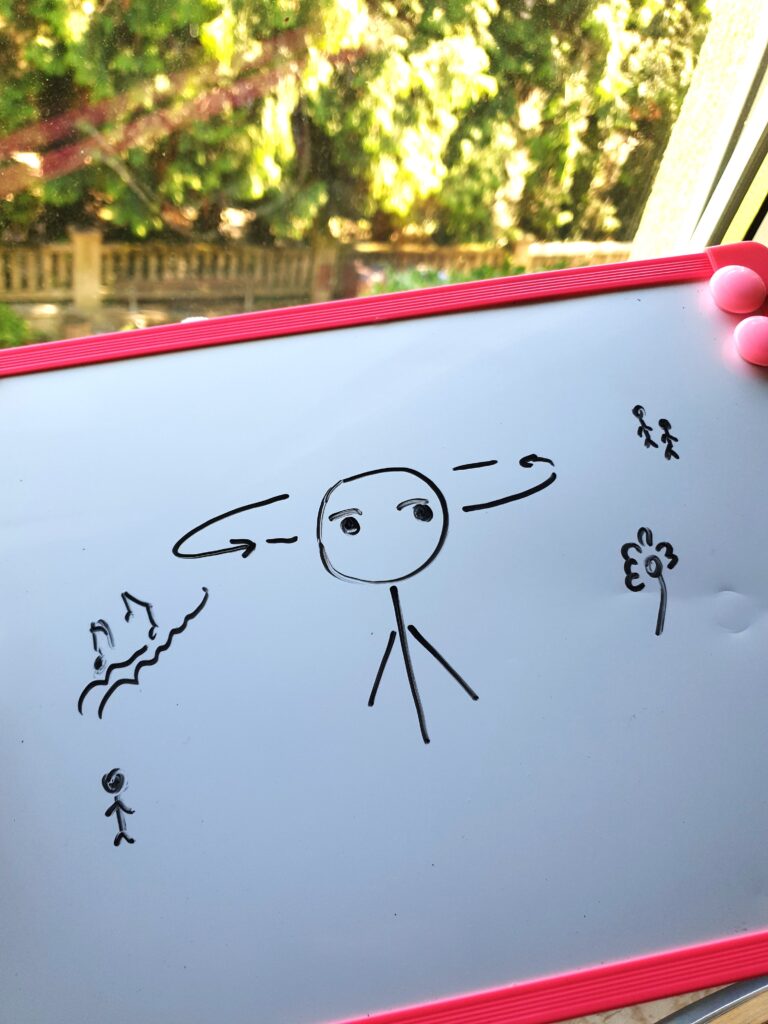
MIDDLE LAYER – becoming aware of the informational flow, neutrality of all facts and that it is the composition of internal and external spaces that create color in our perception of things.
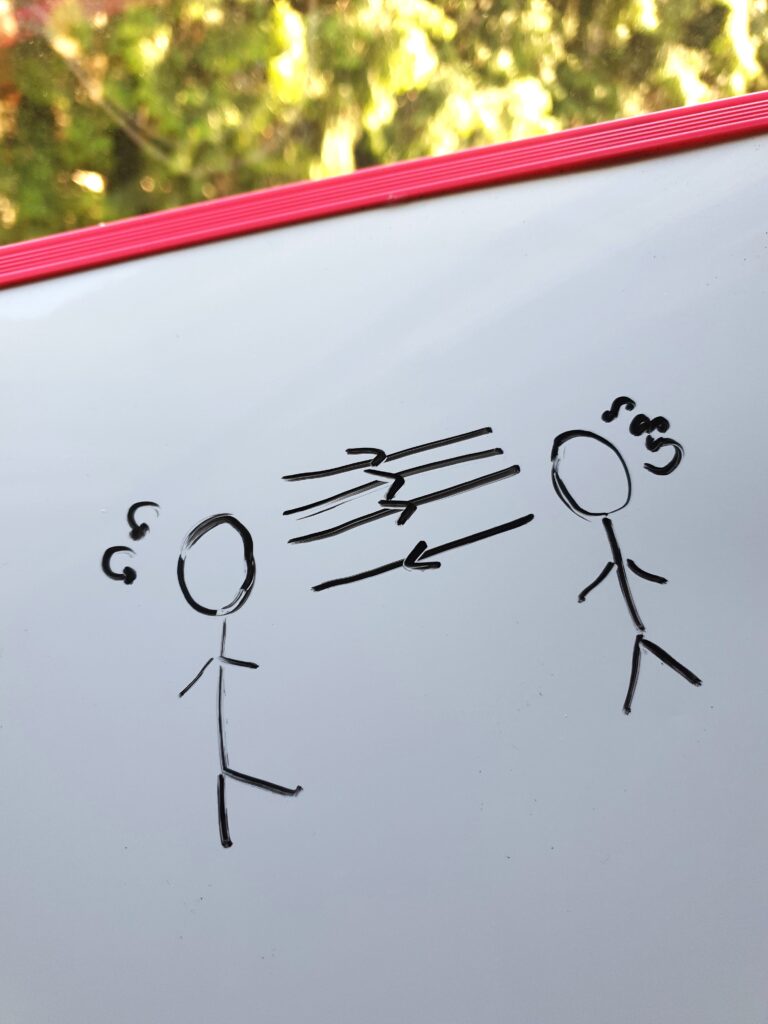
Biggest fallacy when we desperately want to be understood is to either speak or listen from a wrong communication space. None of the spaces are by themselves “wrong”, it is the situation and formatting of the interaction that decides the space-switching triggers.
Hence it is advisable to focus on the middle layer – if, when and how our pieces of information are being received and unpacked properly and adjust from there.
For example if and when we notice that we are receiving low amount of information in an interaction we can adjust the amount of output that we are giving.
It becomes natural to then observe the rhythm and speed of the informational flow in the middle layer – but here we must also include the awareness of our internal spaces.
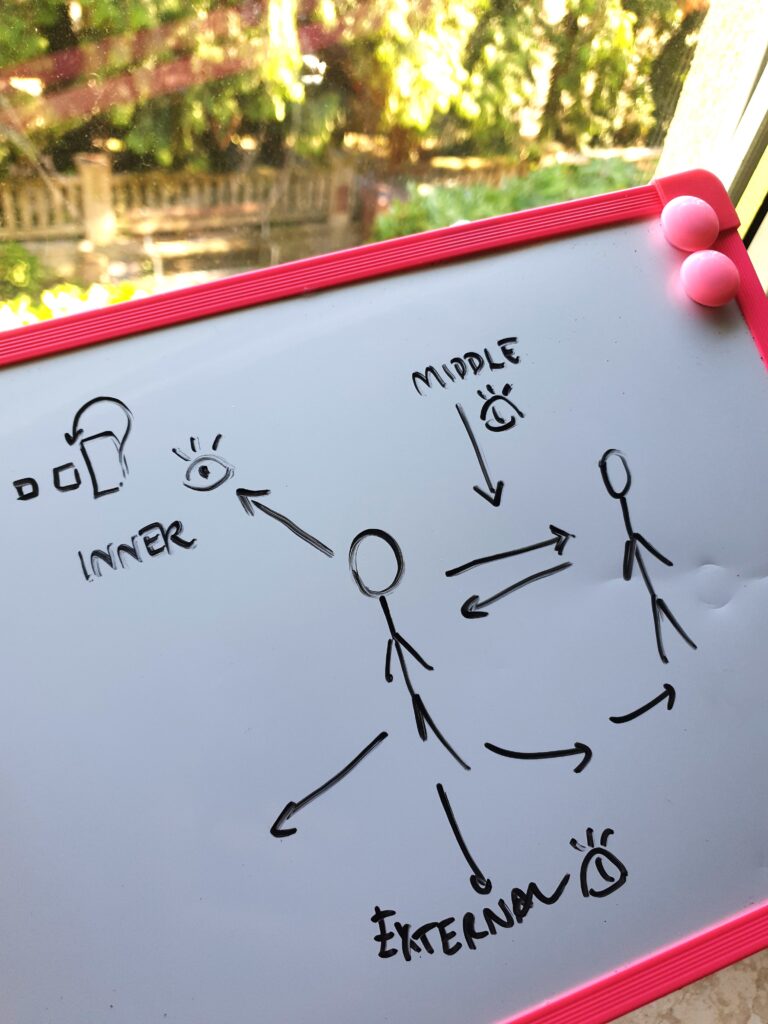
We can then observe that even our internal layer has its own internal, external and middle layer parts.
It is impossible to hold all strains of listed threads in your awareness all of the time, therefore a different set of activities is advised in order to feel in and be able to recognize the individual spaces first through experience and expression. Doing so we teach the body to recognize and automatically switch us to a more aligned layer of communication space that is needed of us in the given moment.